From E-Bikes to Self-Driving Cars: California’s New Traffic Laws for 2026
LOS ANGELES, CA — California is rolling out a sweeping set of new traffic and safety laws in 2026 aimed at addressing modern roadway risks — from the rapid rise of e-bike injuries to the growing presence of self-driving vehicles on public streets.
State officials say the changes reflect a shift in how Californians travel and the need for stronger protections for vulnerable road users, clearer accountability for emerging technology, and updated enforcement tools for law enforcement.
What’s Changing in 2026
The new laws, many of which took effect January 1, 2026, target three major areas: e-bike safety, vehicle theft technology, and autonomous vehicles.
New E-Bike Safety Requirements
Under Assembly Bill 544, all e-bikes must now be equipped with a rear red reflector or red light at all times, not just at night as previously required. The goal is to improve visibility in traffic and reduce collisions involving cars and larger vehicles.
The law also allows minors cited for helmet violations to complete a California Highway Patrol–approved online safety course to clear their citation, emphasizing education over punishment.
State lawmakers say the change is a response to a sharp rise in serious e-bike injuries.
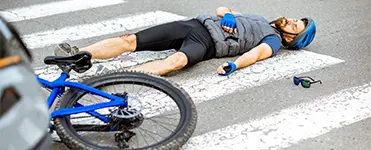
According to research cited by public health officials, e-bike injuries nationwide increased from fewer than 1,000 cases in 2017 to more than 23,000 by 2022, with many injuries resembling motorcycle-level trauma rather than traditional bicycle falls.
Trauma physicians across California have reported increases in:
- Head and brain injuries
- Internal organ damage
- High-speed collision injuries among youth riders
Battery Safety and Fire Prevention
Senate Bill 1271 addresses growing concerns about lithium-ion battery fires linked to e-bikes and other micromobility devices.
The law requires:
- Independent lab testing of batteries and components
- Clear labeling showing compliance with safety standards
- Restrictions on the sale of non-certified products
Officials say the goal is to prevent fires in apartments, garages, and shared housing — an issue that has become more common as e-bike ownership grows.
Slower Speeds Around Schools
Local governments are now authorized to lower speed limits to 20 mph in school zones, giving cities more flexibility to protect children in high-traffic areas.
Transportation safety advocates say even small reductions in speed can dramatically reduce the severity of injuries when a crash occurs.
Autonomous Vehicles Face New Oversight
California is also tightening oversight of self-driving vehicles (AVs).
Under new rules,
- Law enforcement agencies can issue “notices of noncompliance” directly to manufacturers when autonomous vehicles violate traffic laws.
- Responsibility now falls on the companies operating the technology, not passengers inside the vehicle.
- Manufacturers must also meet new communication standards to ensure police and emergency responders can safely interact with driverless vehicles during roadside incidents.
Enforcement Focus: Education First
Law enforcement agencies say the emphasis will be on visibility, education, and accountability, not mass ticketing.
Officers across California report common safety issues involving e-bikes, including:
- Running stop signs
- Riding against traffic
- Illegal speed modifications
- Lack of required safety equipment
In many cases, citations may be paired with required safety training rather than fines alone, especially for younger riders.
Why These Laws Matter
Lawmakers say the changes are not meant to discourage e-bike use or innovation, but to ensure technology evolves responsibly.
“E-bikes are faster, heavier, and more powerful than traditional bicycles,” said Assemblymember Diane Papan.
“The injuries we’re seeing are more severe, and the law needed to catch up.”
Officials also stress that accountability matters whether it’s:
- A driver speeding through a school zone
- A rider lacking visibility,
- An autonomous vehicle committing a traffic violation.
What Comes Next
Drivers and riders can expect:
- Updated school-zone signage throughout 2026
- Increased enforcement of e-bike equipment rules
- Continued scrutiny of autonomous vehicle operations
As California’s roads continue to change, state leaders say these laws represent an effort to balance innovation with safety — and to reduce the serious injuries and fatalities that continue to affect families statewide.
How Motorcyclist Attorney Can Help After a Traffic Injury
As California’s roads evolve with e-bikes, autonomous vehicles, and new enforcement rules, crashes involving emerging technology can raise complex legal questions — especially when serious injuries or fatalities occur.
Ayuda California helps injured riders, pedestrians, and families across California by:
- Investigating crashes involving e-bikes, motorcycles, passenger vehicles, and self-driving cars
- Determining whether drivers, manufacturers, or third parties failed to follow California safety laws
- Working with accident reconstruction and medical experts to document brain injuries, spinal trauma, and long-term disabilities
- Pursuing compensation for medical care, lost income, rehabilitation, and wrongful death damages
If you or a loved one were injured in a crash involving an e-bike, motorcycle, or autonomous vehicle, understanding how these new 2026 laws apply to your case can make a critical difference.
Free, confidential consultation available statewide
Ayuda California — The medical treatment you need. The money you deserve.