Los Angeles, California – July 27, 2026 | Ayuda California News
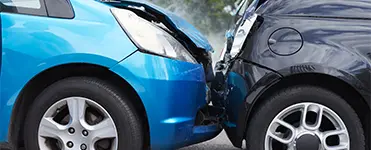
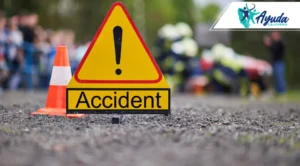
A Waymo crash in South California left a woman critically injured and resulted in four other people receiving medical attention early Sunday morning in the Pico-Union neighborhood of Los Angeles.
The collision involved two vehicles, including an autonomous Waymo vehicle, and a pedestrian who was pushing a cart across Venice Boulevard. The cause of the crash remains under investigation.
What Happened in Pico-Union?
The Los Angeles Police Department said the collision was reported at approximately 5:44 a.m. in the 1000 block of Venice Boulevard, about two blocks north of the 10 Freeway.
According to preliminary information:
- A passenger vehicle was traveling on Venice Boulevard
- The vehicle struck a pedestrian who was pushing a cart across the street
- Following the initial impact, the vehicle swerved into the opposing traffic lanes
- It collided with an autonomous Waymo vehicle
- A woman was transported to a hospital in critical condition
- Four other people who complained of pain were treated at the scene
Authorities did not specify whether the hospitalized woman was the pedestrian or an occupant of one of the vehicles. The identities of the people involved were not released.
Waymo Responds After the Collision
Waymo said it was coordinating with emergency responders while authorities investigated the crash.
The company stated that the safety of its passengers and other road users remained its top priority. It also thanked first responders for their quick response.
Officials have not publicly confirmed whether passengers were in the autonomous vehicle at the time of the collision.
Preliminary information also does not indicate that the Waymo vehicle caused the crash. According to the company’s account, another vehicle entered the opposing lane after striking the pedestrian.
What Are Authorities Investigating?
Investigators will need to analyze the separate impacts and the actions of each vehicle before determining the cause and assigning responsibility.
The investigation may examine:
- The speed of the first vehicle
- The pedestrian’s location at the time of impact
- Lighting and visibility during the early morning hours
- Camera footage recorded by the Waymo vehicle
- Electronic information from both vehicles
- Statements from witnesses
- Possible distraction, fatigue, or impairment
- The autonomous system’s response before the collision
Police may also search for surveillance footage from nearby businesses, homes, and traffic systems.
Because the accident involved multiple impacts, investigators may need to determine separately how each person sustained their injuries.
California Accidents Involving Autonomous Vehicles
The California Department of Motor Vehicles regulates the testing and deployment of autonomous vehicles on public roads.
California authorizes several types of operations, including testing with a safety driver, driverless testing, and commercial autonomous vehicle deployment. Each permit category includes specific requirements and operating conditions.
Authorized companies must also comply with reporting requirements when an autonomous vehicle is involved in certain collisions. The DMV provides resources for reporting autonomous vehicle incidents and safety concerns.
An autonomous vehicle may produce additional forms of evidence, including:
- Sensor information
- Camera recordings
- Location data
- Pre-impact speed
- Braking and steering movements
- System-generated alerts
- Communications with remote operators
These records may help determine whether the system detected the danger and how it responded before impact.
Legal Considerations: Who Could Be Liable?
Liability for the Waymo crash in South California will depend on the results of the investigation.
The involvement of a Waymo vehicle does not automatically mean that Waymo or its autonomous driving system was responsible.
Potentially responsible parties could include:
- The driver of the vehicle that allegedly struck the pedestrian
- The vehicle’s owner
- A company employing the driver
- The manufacturer of a defective vehicle component
- The autonomous vehicle company
- A public entity responsible for a dangerous roadway condition
A claim against Waymo or the autonomous system’s manufacturer would generally require evidence that the vehicle, its technology or the company’s actions contributed to the collision or resulting injuries.
The conduct of the pedestrian, the human driver and other relevant factors must also be evaluated before liability can be determined.
Rights of the Pedestrian and Other Injured Victims
California law requires motorists to exercise care for pedestrians’ safety. Drivers must yield to pedestrians within certain marked and unmarked crosswalks, although pedestrians must also avoid suddenly entering the path of a vehicle that is too close to stop safely.
An injured person may be entitled to seek compensation for:
- Emergency medical care
- Hospitalization
- Surgery and future treatment
- Physical therapy and rehabilitation
- Lost wages
- Reduced earning capacity
- Pain and suffering
- Emotional distress
- Property damage
Available compensation will depend on the severity of the injuries, each party’s responsibility, and applicable insurance coverage.
What to Do After an Autonomous Vehicle Accident
People involved in this type of collision should protect their health and preserve all available evidence.
Important steps may include:
- Obtain immediate medical treatment
- Request a copy of the police report
- Photograph the vehicles and the collision scene
- Collect contact information from witnesses
- Preserve medical bills, records, and proof of lost income
- Avoid posting details about the collision on social media
- Request preservation of the autonomous vehicle’s electronic data
- Consult a local attorney before accepting an insurance settlement
Digital information can be deleted or overwritten. A formal preservation request may therefore need to be sent promptly.
How Ayuda California Can Help
Collisions involving autonomous vehicles can be more complicated than conventional crashes because they may involve human drivers, technology companies, manufacturers, insurers, and extensive electronic records.
Ayuda California helps injured victims and Spanish-speaking families understand their rights after serious accidents in California.
We offer:
- Free and confidential consultations
- Assistance in English and Spanish
- No upfront legal costs
- Investigation of all potentially responsible parties
- Assistance in preserving videos and electronic records
- Communication with insurance companies
- Support throughout the claims process
The medical treatment you need. The money you deserve.
Call Ayuda California at (844) 865-0721 for a free consultation. You pay no attorney fees unless compensation is recovered for you.