A multi-vehicle Chatsworth Metro bus crash on Nordhoff Street in Los Angeles resulted in multiple injuries and local traffic disruptions. Emergency responders treated victims at the scene while police investigated the cause. Understanding public transit liability rules helps injured passengers and motorists take the right steps to secure fair financial compensation.
Chatsworth Metro Bus Crash on Nordhoff Street
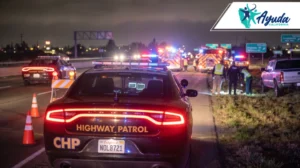
Chatsworth Los Ángeles California- A serious traffic collision involving a public transit vehicle occurred in the Chatsworth neighborhood of Los Angeles, causing widespread traffic delays and requiring an immediate multi-agency emergency response. The incident took place along Nordhoff Street, a major arterial thoroughfare known for heavy commercial and passenger traffic.
The collision involved a Metro bus and at least one other passenger vehicle. The force of the impact caused significant front-end damage to the automobiles involved, blocking multiple lanes of travel. Los Angeles Police Department (LAPD) officers quickly cordoned off the area to manage traffic detours and secure the scene for crash investigators.
Emergency Response and Injured Victims
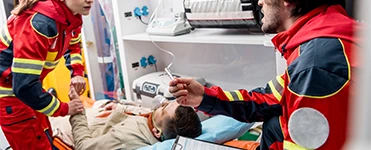
Units from the Los Angeles Fire Department (LAFD) arrived promptly at the crash site to perform medical triage on bus passengers and automobile occupants. Paramedics evaluated several individuals for injuries ranging from soft tissue trauma and lacerations to neck and back strain resulting from the sudden deceleration.
At least one individual required stabilization on scene before being transported by ambulance to a nearby medical facility for advanced diagnostic testing and emergency treatment. In public transit collisions, immediate medical care is essential not only for health and safety but also for establishing official documentation that links physical injuries directly to the incident.
Initial Investigation and Determining Cause
Officers from the LAPD Traffic Division initiated a standard collision investigation at the scene. Crash investigators gathered physical evidence, measured skid marks on the pavement, and inspected the structural damage of both the Metro bus and the passenger vehicles to determine the sequence of events.
Preliminary inquiries focus on whether factors such as unsafe lane changes, driver distraction, sudden stopping, or failure to yield the right-of-way contributed to the collision. Public transit vehicles are equipped with internal and external video monitoring systems, which investigators will review to determine exact liability.
Legal Rights in Public Transit Accidents
Under California law, public transit agencies operating buses or light rail are classified as “common carriers.” This classification holds transit operators to a higher standard of care regarding passenger safety compared to regular private motorists.
Victims injured in a bus collision—whether as bus passengers, occupants of other vehicles, or pedestrians—have the right to seek financial recovery for damages, including:
- Emergency and Ongoing Medical Expenses: Coverage for ambulance transport, ER visits, physical therapy, and prescription medications.
- Lost Earnings: Compensation for wages lost during time away from work while recovering.
- Pain and Suffering: Recovery for physical discomfort, emotional trauma, and reduced quality of life.
Navigating Government Claim Deadlines
Filing an injury claim against a public transit agency like Metro involves distinct procedural hurdles compared to standard auto accident claims. Under the California Government Claims Act, an injured party must file a formal administrative claim with the government entity within six months of the accident date.
Failing to meet this strict six-month administrative deadline generally results in the loss of your right to pursue financial recovery through the court system, regardless of the severity of your injuries.
Securing Guidance and Financial Recovery
Sustaining injuries in a public transit accident creates immediate physical, logistical, and financial stress for victims and their families. Determining fault between government agencies, private drivers, and corporate insurers requires careful legal preparation and a clear understanding of California civil procedures.
Taking proactive steps, such as securing police reports, keeping detailed medical records, and consulting experienced legal advocates, ensures that your rights are fully protected throughout the process. To learn more about navigating government claims, protecting your rights after a crash, and pursuing fair financial recovery, explore the legal resources available at AyudaCalifornia.com.